
Table of Content
Have you ever looked up at a towering mountain and felt an irresistible pull? For many, that pull leads directly to Pakistan, a land blessed with some of the world’s most formidable and awe-inspiring summits. Home to an incredible concentration of the highest peaks of Pakistan, nestled within its mighty mountain ranges in Pakistan, including the legendary Karakoram and Himalayas, this country is undeniably a dream destination for climbers, trekkers, and anyone captivated by the sheer grandeur of high-altitude landscapes. Get ready to explore the giants that define this extraordinary nation.
Quick Overview: Major Mountain Ranges in Pakistan
Pakistan’s dramatic topography is shaped by three colossal mountain ranges in Pakistan: the Karakoram, the Himalayas, and the Hindu Kush. Each possesses its own unique character, challenges, and breathtaking beauty, drawing adventurers from across the globe.
The Karakoram range, often described as the “Roof of the World,” is a geological marvel. It’s a rugged, glaciated expanse, home to the highest concentration of peaks over 8,000 meters outside of the Himalayas. Its sheer scale and raw, untamed nature make it a magnet for elite mountaineers. The valleys here are deep, the glaciers vast, and the peaks incredibly steep and challenging.
The Himalayas in Pakistan, specifically the western end of this iconic range, are perhaps best known for Nanga Parbat, one of the world’s most formidable mountains. While perhaps not as densely packed with 8,000-meter peaks as the Karakoram, the Pakistani Himalayas offer a different kind of challenge and beauty, often characterized by lush green valleys leading up to icy giants.
The Hindu Kush mountains, stretching across Pakistan’s northwest, present a wilder, more remote frontier. While generally lower in altitude than the Karakoram or Himalayas, they are incredibly rugged and historically significant, guarding ancient passes and diverse cultures.
Here’s a quick comparison:
| Feature | Karakoram Range | Himalayas in Pakistan |
|---|---|---|
| Location | Northern Pakistan (Gilgit-Baltistan) | Northeastern Pakistan (Kashmir, Punjab) |
| Prominent Peaks | K2, Broad Peak, Gasherbrum I & II, Masherbrum | Nanga Parbat |
| Terrain | Extremely rugged, heavily glaciated, steep slopes | Varied, from lush valleys to icy peaks |
| Character | Raw, wild, high concentration of super-giants | Diverse, historically significant, often more accessible |
| Climbing Style | Technical, high-altitude, extreme expeditions | Varied, from technical to challenging treks |
What Is the National Mountain of Pakistan?
When people ask about the national mountain of Pakistan, there’s one name that immediately springs to mind: K2. While not officially designated as a “national mountain” in the same way some countries have national animals or flowers, K2 holds an unparalleled place in the hearts of Pakistanis and the global climbing community.
Standing majestically in the Karakoram range, K2, also known as Mount Godwin-Austen, is not just Pakistan’s highest peak but the second-highest mountain in the entire world. Its sheer size, formidable climbing challenges, and iconic pyramid shape have made it a symbol of national pride and a testament to human endurance. It embodies the spirit of adventure and the raw, untamed beauty that defines Pakistan’s northern frontiers. For many, K2 is the unofficial national mountain, a silent, powerful guardian of the land.
Top 10 Highest Peaks in Pakistan – A Climber’s Dream
Pakistan is a land of giants, boasting five of the world’s fourteen 8,000-meter peaks and an incredible array of other formidable summits. For anyone passionate about climbing in Pakistan, this list represents the ultimate challenge and reward. Let’s delve into the highest peaks of Pakistan, each a testament to nature’s power and a magnet for human ambition.
1. K2 (Mount Godwin-Austen)
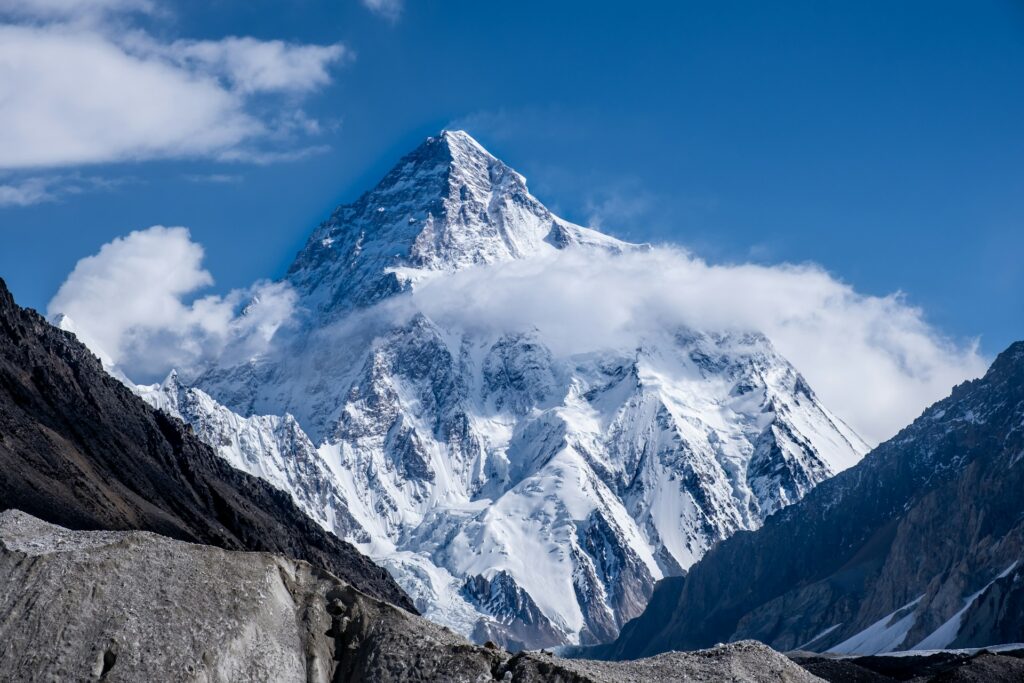
- Overview: The “Savage Mountain.” K2 is not only the tallest mountain in Pakistan and the second tallest in the world, but it’s widely considered the most technically challenging and dangerous of the 8,000-meter peaks. Its iconic pyramid shape and unpredictable weather make it a formidable adversary.
- Height: 8,611 meters (28,251 feet)
- Range: Karakoram
- Location: Gilgit-Baltistan, on the border with China.
- Climbing Difficulty: Extreme. Known for its steepness, rockfall, and the notorious “Bottleneck” couloir.
- Notable Expeditions: First summited in 1954 by Lino Lacedelli and Achille Compagnoni. It was the last of the 8,000ers to be summited in winter, a feat achieved by a Nepali team in 2021.
2. Nanga Parbat
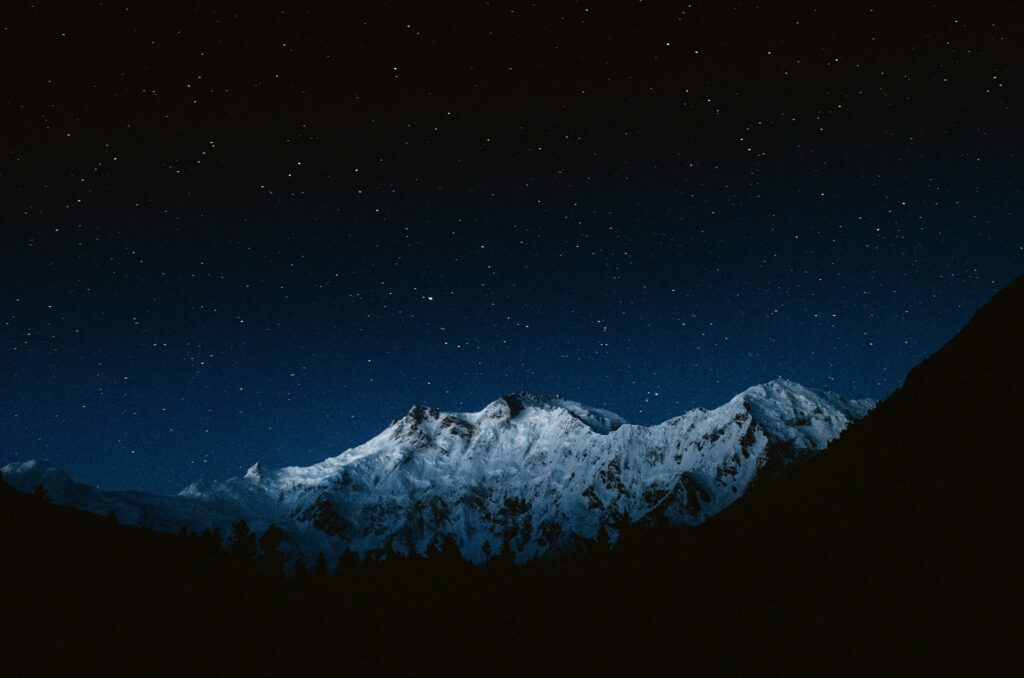
- Overview: The “Killer Mountain.” Nanga Parbat is the ninth-highest mountain in the world and the second-highest in Pakistan. Its immense Rupal Face is one of the highest mountain faces in the world, rising over 4,500 meters from its base. It has a tragic history of climbing fatalities, earning its ominous nickname.
- Height: 8,126 meters (26,660 feet)
- Range: Himalayas
- Location: Gilgit-Baltistan, Pakistan.
- Climbing Difficulty: Extreme. Known for its unpredictable weather, avalanches, and immense scale.
- Notable Expeditions: First summited in 1953 by Hermann Buhl. Many attempts ended in tragedy before its first successful ascent.
3. Broad Peak
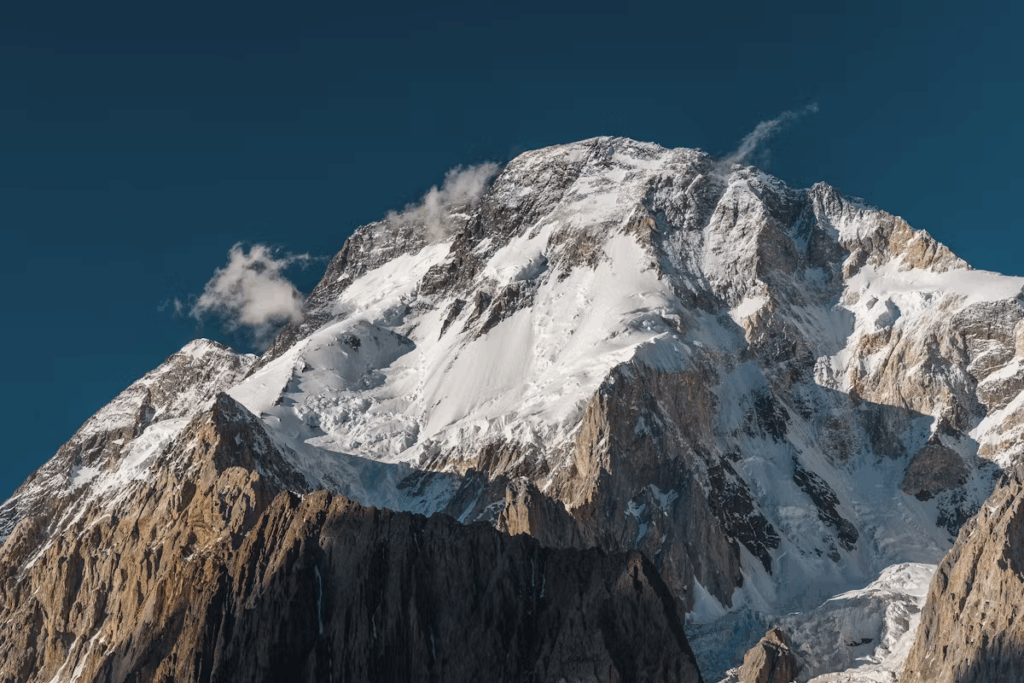
- Overview: The “Falchan Kangri” (Broad Peak) is the 12th highest mountain in the world and the third highest in Pakistan. It’s part of the Gasherbrum massif. It’s often seen as a “warm-up” for K2 due to its proximity, but it’s a serious challenge in its own right, with a long summit ridge.
- Height: 8,051 meters (26,414 feet)
- Range: Karakoram
- Location: Gilgit-Baltistan, on the border with China.
- Climbing Difficulty: Very High. While often considered less technical than K2, its sheer height and exposure make it very demanding.
- Notable Expeditions: First summited in 1957 by an Austrian expedition led by Marcus Schmuck.
4. Gasherbrum I (Hidden Peak)
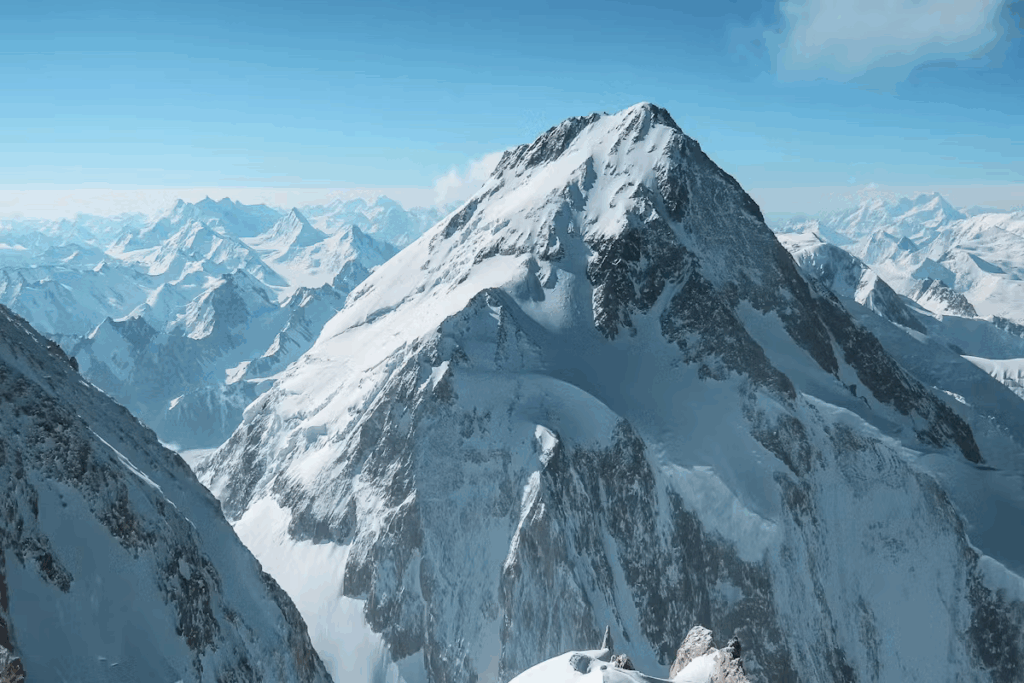
- Overview: The 11th highest mountain in the world, Gasherbrum I is also known as “Hidden Peak” due to its remote location within the Gasherbrum massif. It’s a challenging climb, often overshadowed by its more famous neighbors.
- Height: 8,080 meters (26,509 feet)
- Range: Karakoram
- Location: Gilgit-Baltistan, on the border with China.
- Climbing Difficulty: Very High. Requires significant technical skill and high-altitude experience.
- Notable Expeditions: First summited in 1958 by an American expedition.
5. Gasherbrum II
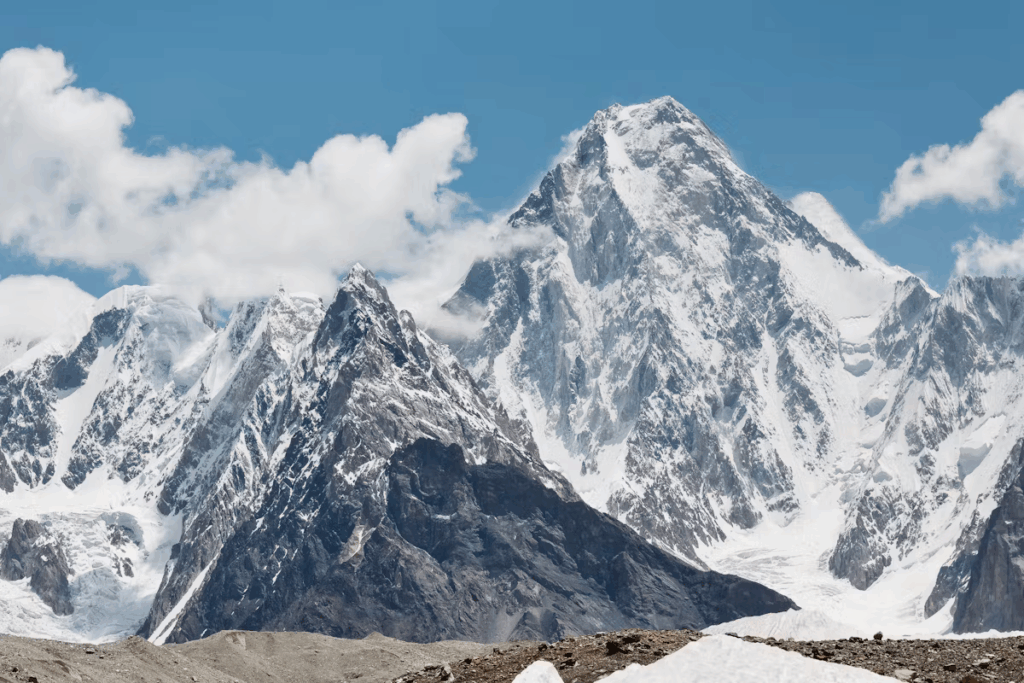
- Overview: The 13th highest mountain in the world, Gasherbrum II is often considered one of the “easier” 8,000-meter peaks, though no 8,000er is truly easy. Its relatively straightforward route makes it a popular target for climbers aiming for their first 8,000m summit.
- Height: 8,035 meters (26,362 feet)
- Range: Karakoram
- Location: Gilgit-Baltistan, on the border with China.
- Climbing Difficulty: High. Still a major undertaking requiring excellent physical condition and mountaineering skills.
- Notable Expeditions: First summited in 1956 by an Austrian expedition.
6. Gasherbrum III
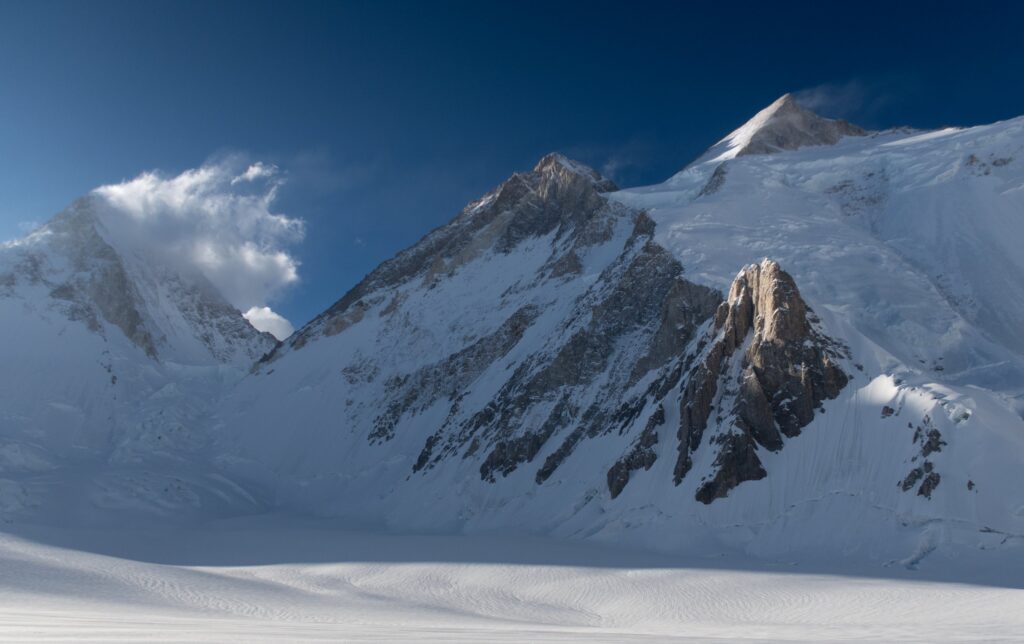
- Overview: While not an 8,000-meter peak, Gasherbrum III is significant as the 15th highest peak in the world and one of the highest non-8000m peaks. It lies between Gasherbrum II and Gasherbrum IV.
- Height: 7,946 meters (26,070 feet)
- Range: Karakoram
- Location: Gilgit-Baltistan, on the border with China.
- Climbing Difficulty: Very High. Despite not being an 8000er, it presents serious challenges due to its altitude and technical sections.
- Notable Expeditions: First summited in 1975 by a Polish expedition.
7. Gasherbrum IV
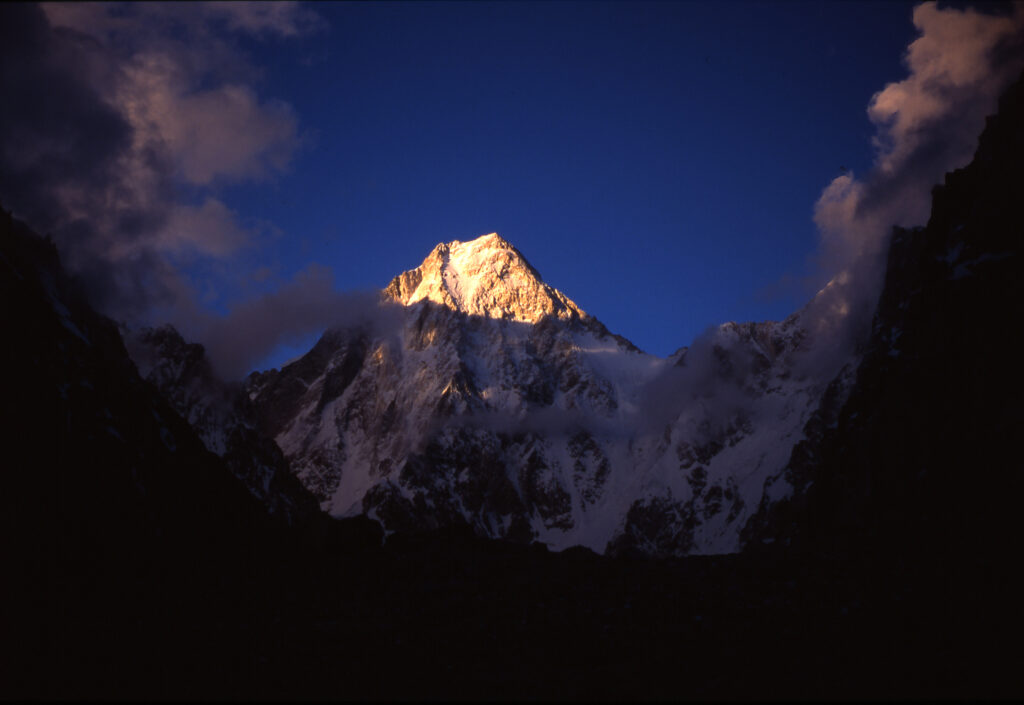
- Overview: Known as the “Shining Wall,” Gasherbrum IV is considered one of the most technically difficult and aesthetically stunning mountains in the world. Its sheer, granite walls offer extreme climbing challenges.
- Height: 7,932 meters (26,024 feet)
- Range: Karakoram
- Location: Gilgit-Baltistan, on the border with China.
- Climbing Difficulty: Extreme. Its West Face is particularly renowned for its difficulty.
- Notable Expeditions: First summited in 1958 by an Italian expedition.
8. Distaghil Sar
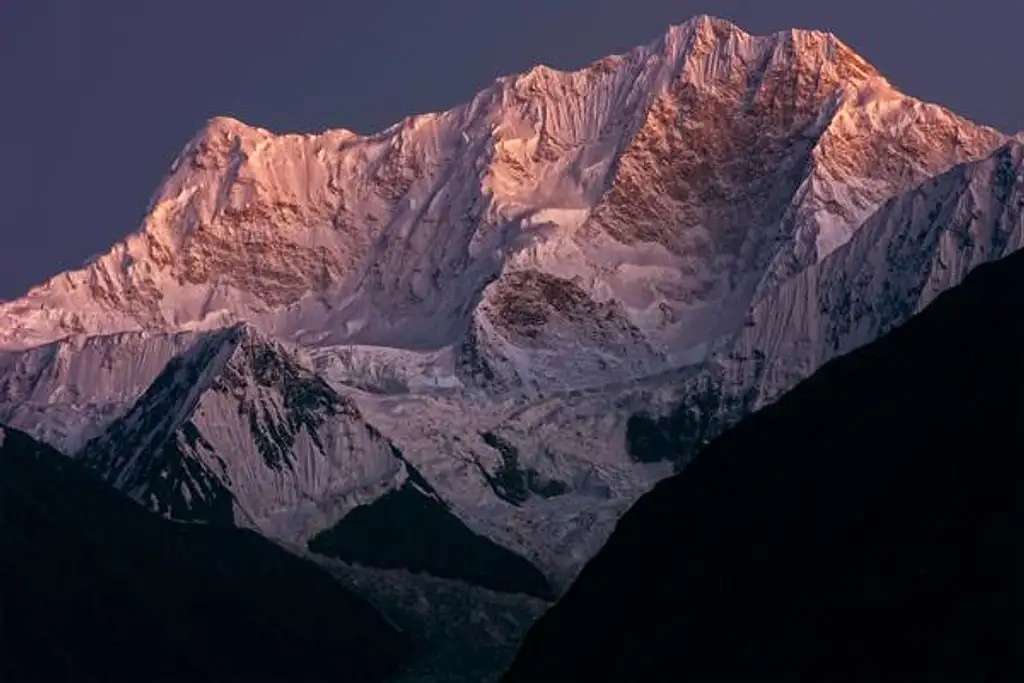
- Overview: Distaghil Sar is the 19th highest mountain in the world and the 7th highest in Pakistan. It is the highest peak in the Hispar Muztagh, a sub-range of the Karakoram. Its name means “above the inner pasture” in Wakhi.
- Height: 7,885 meters (25,869 feet)
- Range: Karakoram
- Location: Gilgit-Baltistan, Pakistan.
- Climbing Difficulty: Very High. Remote and challenging, requiring significant logistical planning.
- Notable Expeditions: First summited in 1960 by an Austrian expedition.
9. Kunyang Chhish
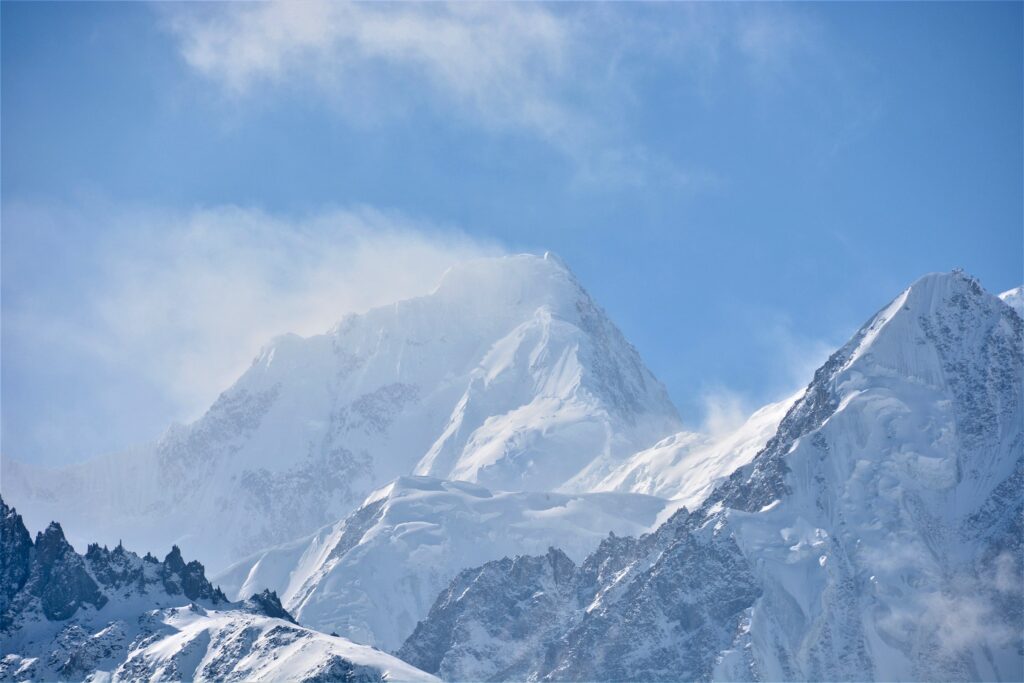
- Overview: Kunyang Chhish is the 21st highest mountain in the world and the 8th highest in Pakistan. It’s a massive and complex peak located in the Hispar Muztagh.
- Height: 7,823 meters (25,666 feet)
- Range: Karakoram
- Location: Gilgit-Baltistan, Pakistan.
- Climbing Difficulty: Very High. Its sheer scale and technical sections make it a serious undertaking.
- Notable Expeditions: First summited in 1971 by a Polish expedition.
10. Masherbrum (K1)
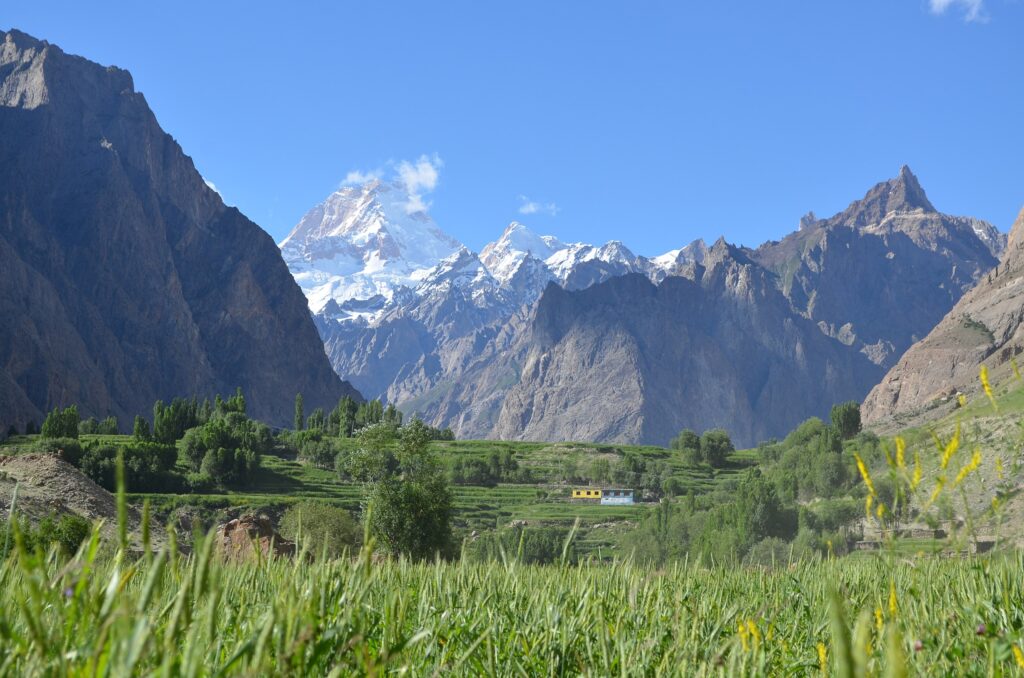
- Overview: Masherbrum, also known as K1, is a stunning and highly technical peak in the Karakoram range. It’s often described as one of the most beautiful mountains in the world due to its striking pyramid shape.
- Height: 7,821 meters (25,659 feet)
- Range: Karakoram
- Location: Gilgit-Baltistan, Pakistan.
- Climbing Difficulty: Extreme. Its steep, icy faces and complex routes present significant challenges.
- Notable Expeditions: First summited in 1960 by an American expedition.
How Pakistan Compares: Karakoram vs Himalayas
The debate between the Karakoram vs Himalayas is a fascinating one, especially when considering Himalayas in Pakistan. While both are part of the grand Asian mountain system, their geological formation and resulting characteristics are quite distinct.
The Himalayas, formed by the ongoing collision of the Indian and Eurasian tectonic plates, are characterized by a long, arc-shaped chain with many individual massifs. In Pakistan, the western Himalayas are dominated by the colossal Nanga Parbat, a solitary giant that stands apart from other major Himalayan peaks.
The Karakoram, on the other hand, is a separate, distinct range, also a product of continental collision but with a different structural expression. It’s renowned for its immense glaciers and an unparalleled density of high peaks, including K2 and four other 8,000-meter summits within a relatively compact area. The Karakoram’s peaks tend to be steeper and more rugged, often presenting more technical climbing challenges due to their sheer granite faces and extensive ice formations. The valleys in the Karakoram are typically deeper and narrower, creating a more dramatic, almost intimidating landscape compared to some of the broader valleys found in parts of the Himalayas.
Essentially, while both offer breathtaking beauty and extreme challenges, the Karakoram is often seen as the “wilder” and more technically demanding range for mountaineering, whereas the Himalayas in Pakistan, centered around Nanga Parbat, offer a different kind of majestic isolation and formidable scale.
Climbing Culture in Pakistan
The presence of so many towering peaks has naturally fostered a vibrant climbing in Pakistan culture, attracting mountaineers from every corner of the globe. It’s more than just a sport here; it’s a way of life for many local communities and a significant aspect of adventure tourism in Pakistan.
Every year, during the brief climbing windows, base camps beneath giants like K2 and Nanga Parbat transform into bustling international villages. Here, climbers from diverse backgrounds share stories, strategies, and the sheer camaraderie that only shared hardship and immense goals can create. The local porters and high-altitude guides, often from the Balti community, are the unsung heroes of these mountaineering expeditions Pakistan. Their strength, resilience, and intimate knowledge of the mountains are legendary, forming the backbone of every successful ascent. This deep connection between the international climbing community and the local mountain people creates a unique blend of global ambition and indigenous wisdom, making every expedition a rich cultural exchange.
FAQs
Here are some common questions people have about Pakistan’s towering peaks:
- What is the tallest mountain in Pakistan? The tallest mountain in Pakistan is K2, standing at 8,611 meters (28,251 feet). It is the second-highest mountain in the world.
- Is K2 higher than Everest? No, K2 is not higher than Everest. Mount Everest is the world’s highest peak at 8,848.86 meters (29,031.7 feet), while K2 is the second highest at 8,611 meters (28,251 feet).
- Which is more dangerous: K2 or Nanga Parbat? Both K2 and Nanga Parbat are incredibly dangerous mountains with high fatality rates. K2 is often considered more technically challenging due to its steepness and objective hazards, while Nanga Parbat, known as the “Killer Mountain,” is infamous for its avalanches and extreme weather shifts. The “most dangerous mountain in Pakistan” title is often debated, but both demand extreme respect and caution.
- How many peaks over 8000m are in Pakistan? Pakistan is home to five of the world’s fourteen independent peaks over 8,000 meters (26,247 feet): K2, Nanga Parbat, Broad Peak, Gasherbrum I, and Gasherbrum II.
Conclusion
Pakistan’s mountains are more than just geographical features; they are a testament to nature’s raw power and an irresistible call to adventure. From the unparalleled heights of K2 to the formidable faces of Nanga Parbat, these giants offer a lifetime of challenges and rewards for climbers and a profound sense of wonder for all who witness them. The sheer diversity of these landscapes, from the glaciated Karakoram to the lush Himalayan foothills, truly shapes an unforgettable journey.
Ready to answer the call of these majestic peaks? Whether you dream of embarking on a challenging mountaineering expedition Pakistan or simply wish to explore the stunning valleys of Skardu and Hunza, Last Tribes Pakistan is here to make your adventure a reality.
Explore our “Complete Guide to Northern Pakistan“ for more insights, check out our tailored Mountaineering Expeditions, or browse our exclusive “Tour Packages to Skardu / Hunza“ to start planning your journey today. Your ultimate mountain adventure awaits!