
Travel Checklist for First-Time Visitors to Pakistan
Thinking about your first trip to Pakistan? That’s fantastic! I’ve seen countless travelers, just like you, initially feel a mix of excitement and perhaps a touch of apprehension. But let me tell you, Pakistan is a country of unmatched beauty, incredible cultural depth, and a diversity that genuinely surprises. From the bustling streets of Lahore to the serene valleys of Gilgit-Baltistan, it’s an experience unlike any other.
To help you navigate your preparations and step onto Pakistani soil with confidence, I’ve put together this practical checklist. It’s designed to remove the guesswork and ensure your journey is as comfortable and memorable as possible.
Documents & Entry Requirements
Let’s start with the absolute essentials – your paperwork. Don’t leave home without these!
- Valid Passport: Make sure it has at least six months of validity remaining from your planned entry date. This is a standard global requirement, but worth double-checking.
- Pakistani Tourist Visa: For most international visitors, you’ll need a visa. Pakistan has made this much easier with its online visa portal, which I highly recommend. It streamlines the process significantly.
- Invitation Letter: Depending on your nationality and the type of visa, an invitation letter from a host or a registered tour operator (like us at Last Tribes Pakistan!) might be required. Verify this on the visa portal.
- Printed Hotel Bookings: It’s always a good idea to have physical copies of your confirmed hotel reservations, especially for immigration.
- Return Ticket: Sometimes, immigration officials might ask to see your onward or return flight ticket, just to confirm your travel plans.
🔒 Pro Tip: Always carry both physical and digital copies (on your phone, cloud storage) of all your important documents. A quick photo on your phone can be a lifesaver in a pinch!
Health & Safety Essentials
Your well-being is paramount, so here’s what to consider for a healthy and safe trip:
- Recommended Vaccinations: Consult your doctor well before your trip about recommended vaccinations. Common ones might include Typhoid, Hepatitis A/B, and Tetanus. It’s always best to be prepared.
- Basic Medicines: Pack a small supply of over-the-counter medicines for common travel ailments: motion sickness tablets (those mountain roads can be winding!), altitude sickness medication (crucial for the North), flu and fever remedies, pain relievers, and any personal prescriptions.
- First Aid Kit: A compact kit with band-aids, antiseptic wipes, pain relievers, and any personal allergy medications is a smart addition.
- Travel Insurance: I can’t stress this enough – get comprehensive travel insurance. This is especially vital if you plan on trekking or visiting remote areas where medical facilities might be limited. It covers emergencies, lost luggage, and unexpected cancellations.
🩺 Tip: If you’re heading to high-altitude areas like Fairy Meadows, Hunza, or Deosai Plains, definitely pack altitude sickness tablets (like Diamox, prescribed by your doctor). Start taking them a day or two before ascending to higher elevations, and stay hydrated!
Packing List – Clothing & Gear
What to wear can be a common concern, but it’s simpler than you think. The key is modesty and layers.
For Men & Women:
- Modest Clothing: Long sleeves and trousers are generally recommended, especially when visiting villages, religious sites, or more conservative areas. This shows respect for local customs.
- Lightweight Layers: Temperatures can fluctuate wildly, especially in the mountains. Pack t-shirts, light sweaters, and a fleece. You’ll layer up or down as needed.
- Waterproof Jacket: Essential, particularly for the North. Mountain weather can change in an instant, bringing sudden rain or even snow, even in summer.
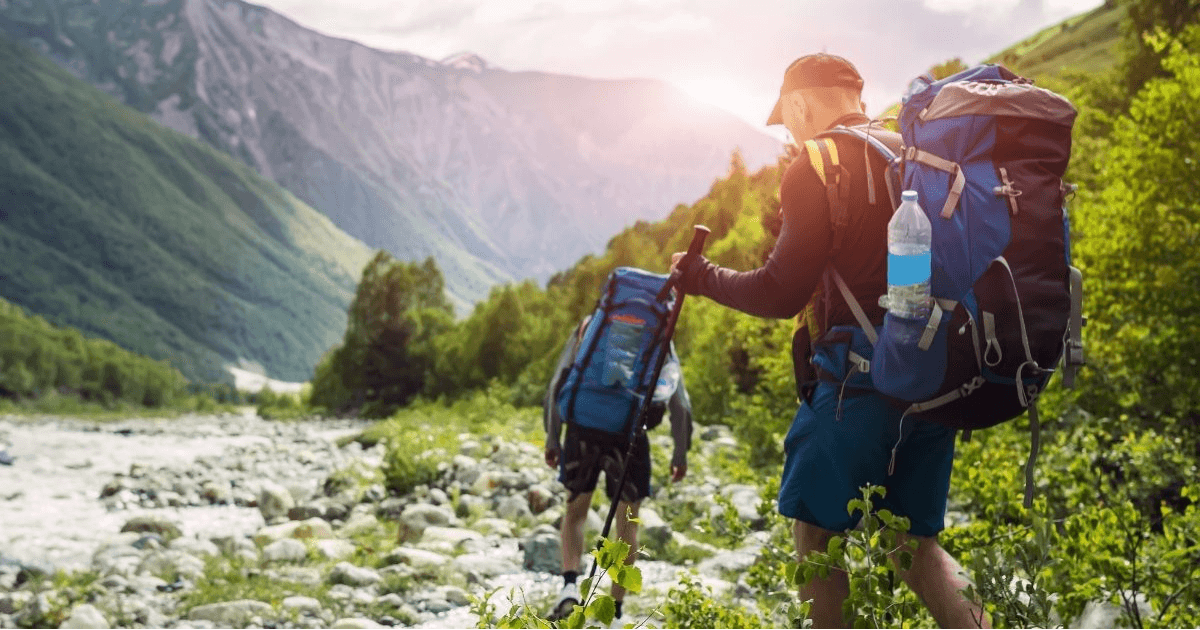
- Comfortable Trekking Shoes: If you plan on any walking or light hiking, sturdy, comfortable shoes are a must. Even for sightseeing, you’ll be doing a lot of walking.
- Sunglasses, Cap/Hat, and Scarf: Protection from the sun is important. A scarf can be versatile for both men and women – for warmth, sun protection, or respectful head covering.
🎒 Optional but Useful:
- Reusable Water Bottle: Stay hydrated and reduce plastic waste.
- Headlamp or Flashlight: Handy for power outages or exploring at night, especially in rural areas.
- Power Bank: Absolutely crucial for keeping your phone charged, especially when connectivity is limited and outlets are scarce.
- Small Backpack: Perfect for day trips, carrying water, snacks, and extra layers.
Tech & Connectivity
Staying connected (or intentionally disconnecting!) is part of the modern travel experience.
- Universal Travel Adapter: Pakistan uses Type C, D, and F sockets. A universal adapter will save you hassle.
- SIM Card Options: Upon arrival, grab a local SIM card. Zong and Jazz are widely used, offering good coverage in most populated areas. For Gilgit-Baltistan, SCOM is the network with the best coverage in remote valleys – definitely get one if you’re heading there!
- Portable Wi-Fi: If constant connectivity is a must for work, consider a portable Wi-Fi device, though coverage in very remote areas will still be a challenge.
- Download Offline Google Maps: Before you lose signal, download maps of the regions you’ll be visiting. This is a lifesaver for navigation.
- Install WhatsApp: This is the primary mode of communication in Pakistan for individuals and businesses alike. You’ll use it for everything from contacting your guide to confirming bookings.
📱 Bonus Tip: If you’re passionate about landscape photography, bring extra batteries for your camera. You’ll be taking a lot of pictures, and power sources can be limited in the most scenic spots!
Cultural Awareness & Behavior
Pakistan is known for its incredible hospitality, and showing respect for local customs will open even more doors for warm interactions.
- Respect Local Dress Codes: While cities are more liberal, in villages and more conservative areas, dressing modestly (long sleeves, trousers for both genders) is appreciated.
- Always Ask Before Photographing People: Especially women and children. A simple gesture or “May I?” (Kya main tasveer le sakta/sakti hoon?) goes a long way.
- Language: English is widely spoken in urban centers and tourist areas, but learning a few basic Urdu phrases like “Assalam-o-Alaikum” (hello), “Shukriya” (thank you), and “Kaisa/Kaisi hain?” (How are you?) will earn you smiles and warmth.
- Be Patient: Things might not always run on a strict schedule. Unexpected delays, road closures, or changes are part of the adventure. Embrace the slower pace; it’s part of the charm and allows for deeper connections.
🙏 Respect earns warmth everywhere in Pakistan. A genuine smile and a respectful attitude will make your interactions incredibly rewarding.
Cash & Payments
While cities have modern payment options, cash is king in the North.
- Carry Sufficient Cash: ATMs are unreliable or non-existent in remote northern areas. Ensure you have enough Pakistani Rupees for your entire trip, especially for smaller purchases, local transport, and emergencies.
- Convert Currency Before Heading North: Exchange your foreign currency in major cities like Islamabad, Lahore, or Karachi before you venture into the mountains.
- Keep Small Bills: Rs. 100, 500, and 1000 notes are incredibly useful for tips, small shops, roadside chai stalls, and local transport. Breaking a Rs. 5000 note can sometimes be a challenge.
💰 Pro Tip: Don’t rely solely on credit or debit cards once you’re outside major cities. Always have a substantial cash reserve.
Bonus Tips from the Locals (from Last Tribes Pakistan)
Having guided countless travelers, we’ve picked up a few insights that can truly enhance your experience:
- Bring Gifts for Local Children: Instead of money, consider carrying small, useful gifts like pencils, notebooks, or candies. Their smiles are priceless.
- Try the Local Food, but Avoid Tap Water: Indulge in the delicious local cuisine – it’s a highlight! However, always stick to bottled water or filtered water for drinking.
- Travel Slow: This isn’t a race. The true magic of Pakistan, especially the North, lies in the connections you make and the moments you savour. Don’t just tick off sights; immerse yourself.
- Follow Our Guides: Our experienced guides are there to keep you safe, share local knowledge, and inspire your journey. Trust their expertise, especially regarding local customs and safety.
Final Thoughts
I know planning an international trip can feel a bit overwhelming, especially to a destination that might be new to you. But I want to reassure you: Pakistan is a safe, magical, and incredibly welcoming country, often exceeding the expectations of first-time visitors. The warmth of its people, the grandeur of its landscapes, and the richness of its culture will leave an indelible mark on your heart.
Ready to turn your travel dreams into reality? Reach out to Last Tribes Pakistan! We’re here to customize your journey, handle the logistics, and ensure you’re fully prepared for the trip of a lifetime.
📩 DM or email us to help you prepare for the trip of a lifetime!

Recent Posts
Gandhara Civilization